Google Messages Crashing/Hanging Fix
In this blog post, I will show how I fixed the Google Messages app from freezing. Please keep in mind, this fix worked for me and a couple of other people. While it may not work for everyone, I am sharing it in the hopes that it might help someone else experiencing the same problem.
Background: For the last 3 months, I have been encountering an issue with Google Messages. Every time I opened the app, it would completely freeze within 10 seconds, forcing me to close it manually. Initially it seemed to go away with a Google Messages update. Unfortunately, it started freezing on me again.
After tinkering with it for a bit, I figured out the “Automatic previews” feature was causing the app to hang. Disabling the “Automatic previews” option resolved the issue.
If you wish to try the fix for yourself, here is what to do.
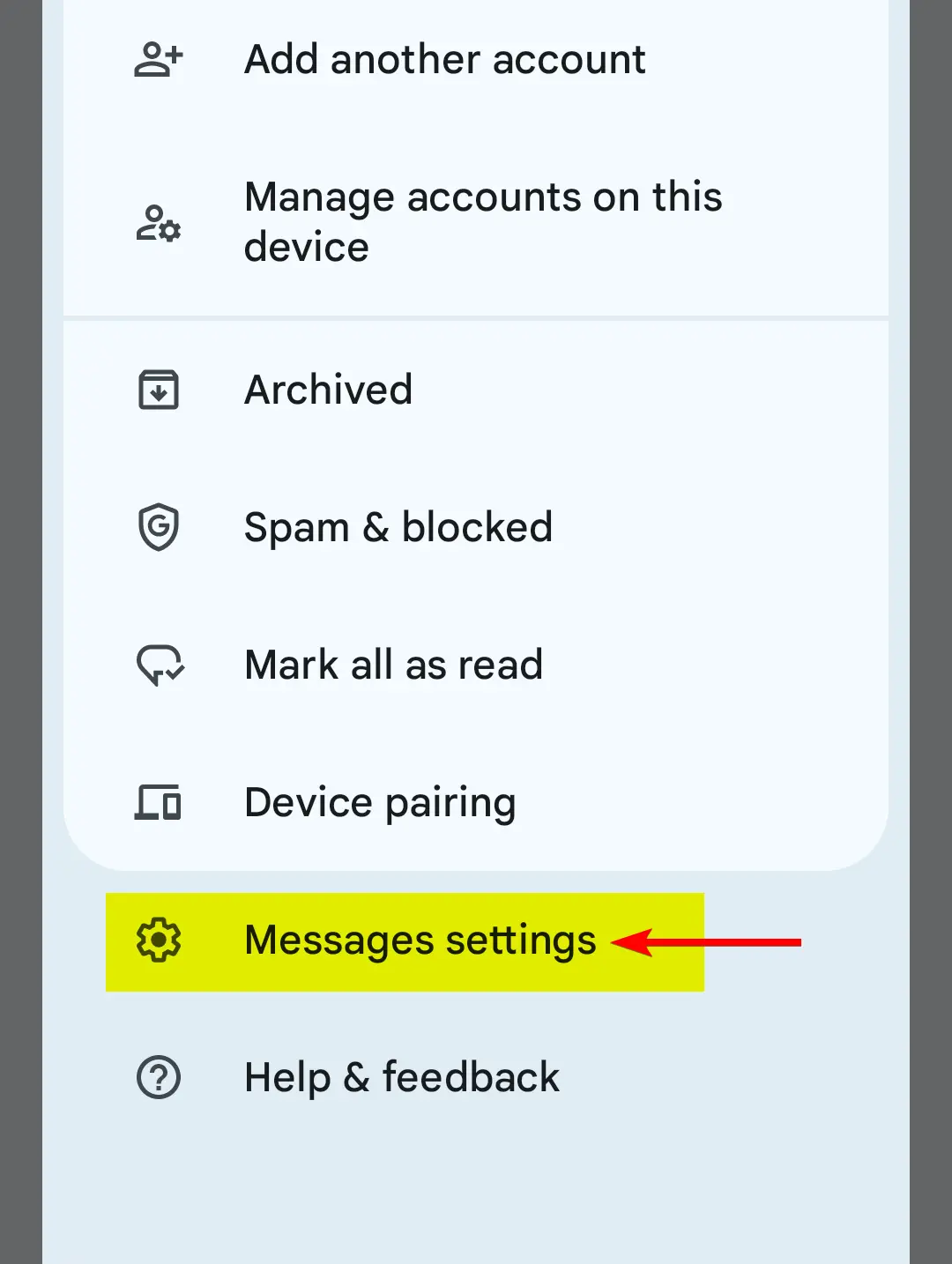
1. On the top-right of the app, tap on the icon as shown in the image below.

2. Open the settings menu.
3. Find “Automatic previews”, and tap on that.
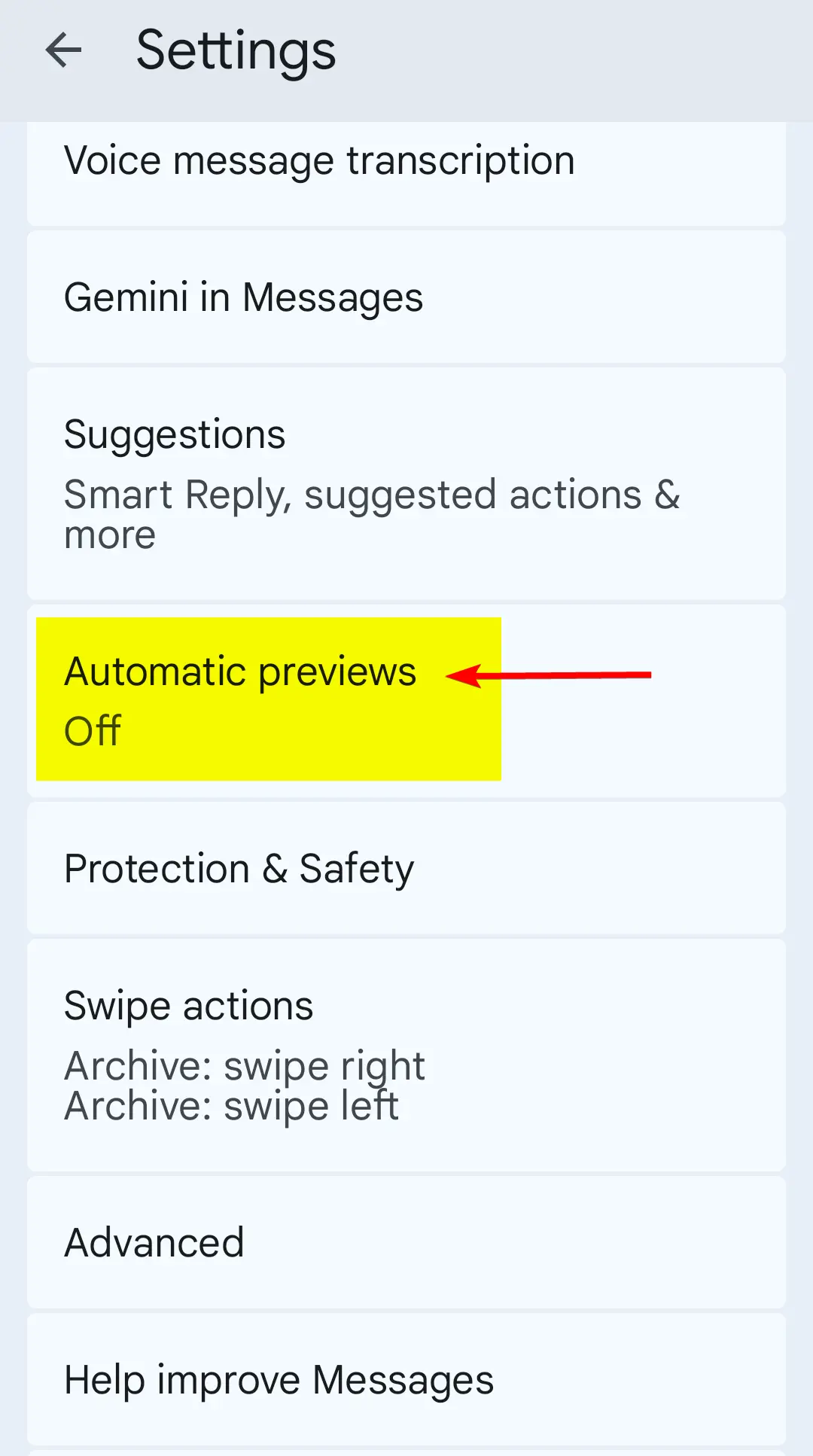
4. Make sure the highlighted options are disabled.

And that is it. This worked for me, and hopefully this will work for you too.
Posted in Android, Mobile Phone, Software, Tips & Tutorials
Are Web Browser Extensions Safe to Use? (2025 Update)
Several years ago, I wrote about the potential risks associated with web browser extensions (also referred to as “add-ons”) being able to abuse their power and access sensitive user data.
I said if someone has installed a malicious browser extension, their web browsing data (e.g., browsing history, password credentials, what they type into a website, etc.) may get sent directly to the extension’s creator, putting the user’s online security and privacy at risk.
Today, I received an email with a link to a news article, explaining how 18 separate web extensions for Edge and Google Chrome were caught spying on people.
Here is the link to the article: https://www.malwarebytes.com/blog/news/2025/07/millions-of-people-spied-on-by-malicious-browser-extensions-in-chrome-and-edge
[Click here to view article as a PDF.]
This just goes to show, always be mindful about which web browser extensions you choose to install.
Update 08-22-2025
Here’s another example of why you should be careful with web browser extensions.
Chrome VPN Extension With 100k Installs Screenshots All Sites Users Visit
Posted in Android, Computers, General, Internet and Servers, Mobile Phone, Security, Software
How to Repair Corrupted Windows System Files using SFC and DISM
If you have used Windows for a long enough time, you may encounter an issue with corrupted system files.
This can be due to:
- An improper system shutdown (e.g., power loss).
- A failing hard drive or SSD.
- Faulty RAM
- A failed Windows update.
- A third-party program that modifies system files (e.g., anti-virus).
- A user accidentally deleting a system file (rare, but can happen).
Corrupted system files can cause Windows to become unstable, leading to blue screens, application crashes, slow performance, and possible data loss.
In this blog post, I will show you how to initiate a Windows system repair using SFC and DISM.
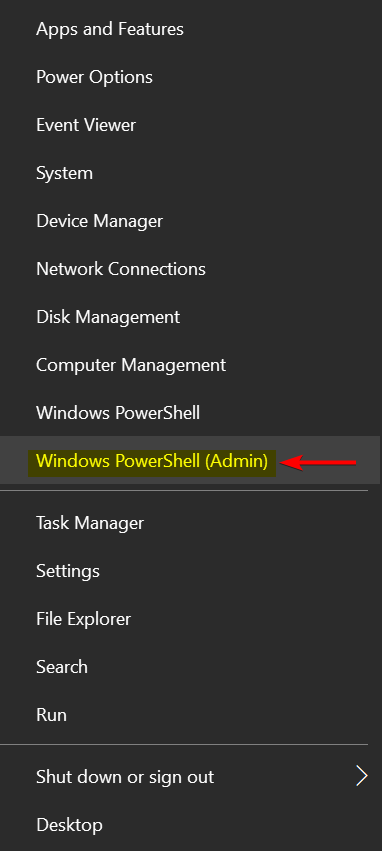
First let’s open PowerShell as Administrator (your computer may show “Command Prompt (Admin)” instead).
Now let’s type in: sfc /scannow
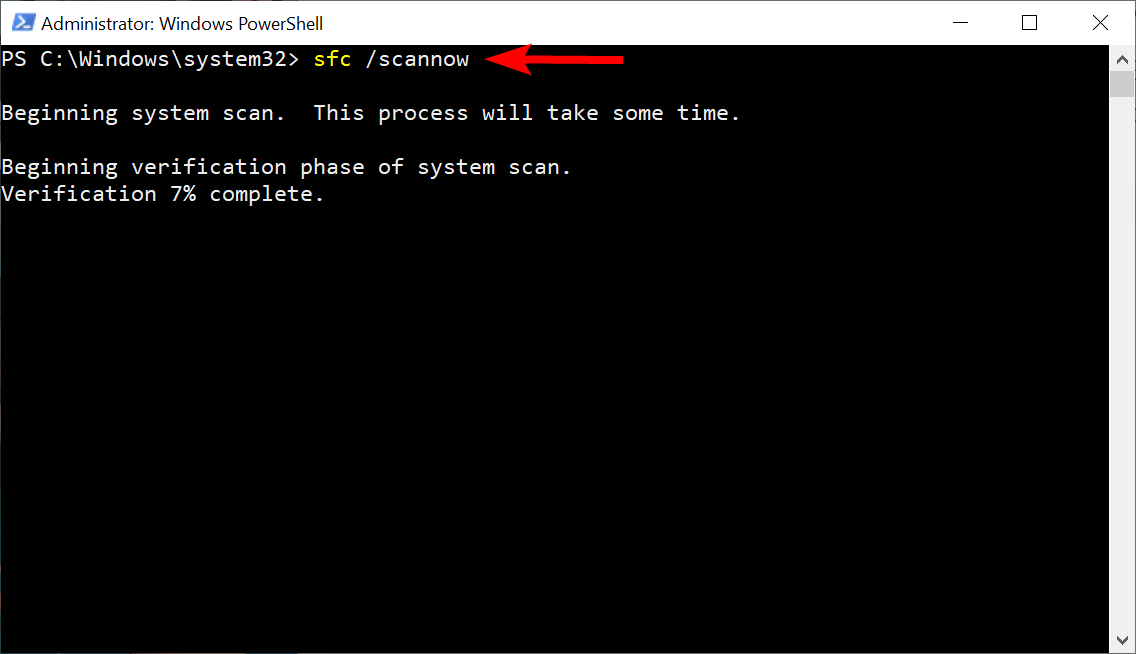
Wait for the process to complete.
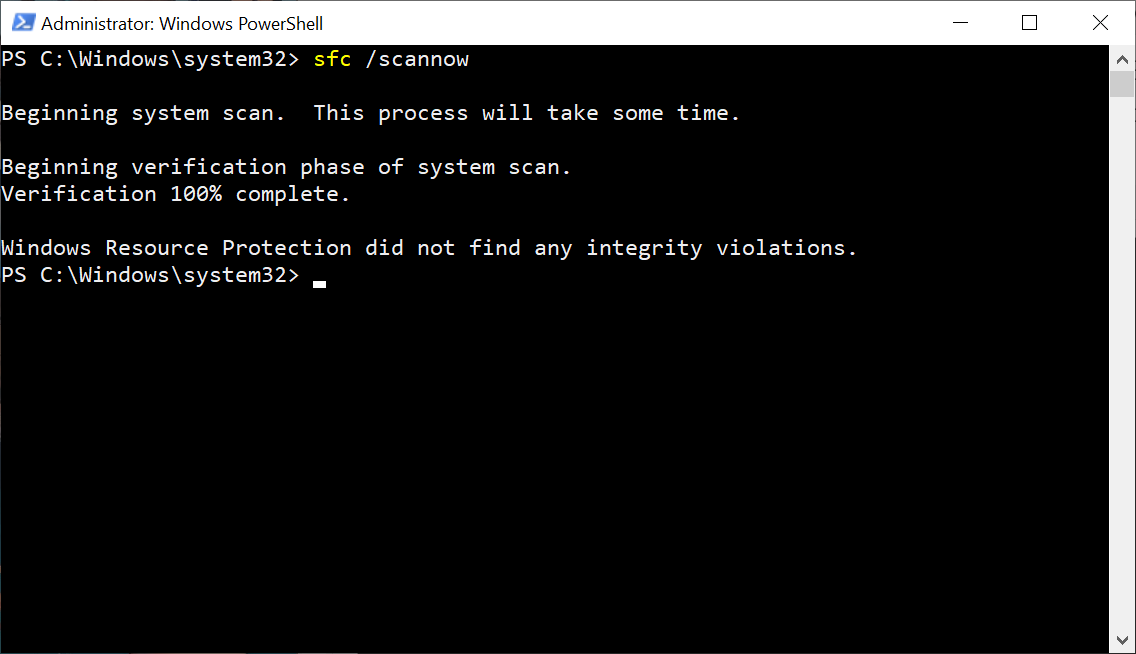
Now if SFC has found no issues (like shown in the image above), then you should be OK. However, if SFC finds issues that it cannot fix, or if you’re experiencing more significant problems, you can then run DISM. This tool can help fix issues that SFC might not be able to address. You can run it with the command: DISM /Online /Cleanup-Image /RestoreHealth
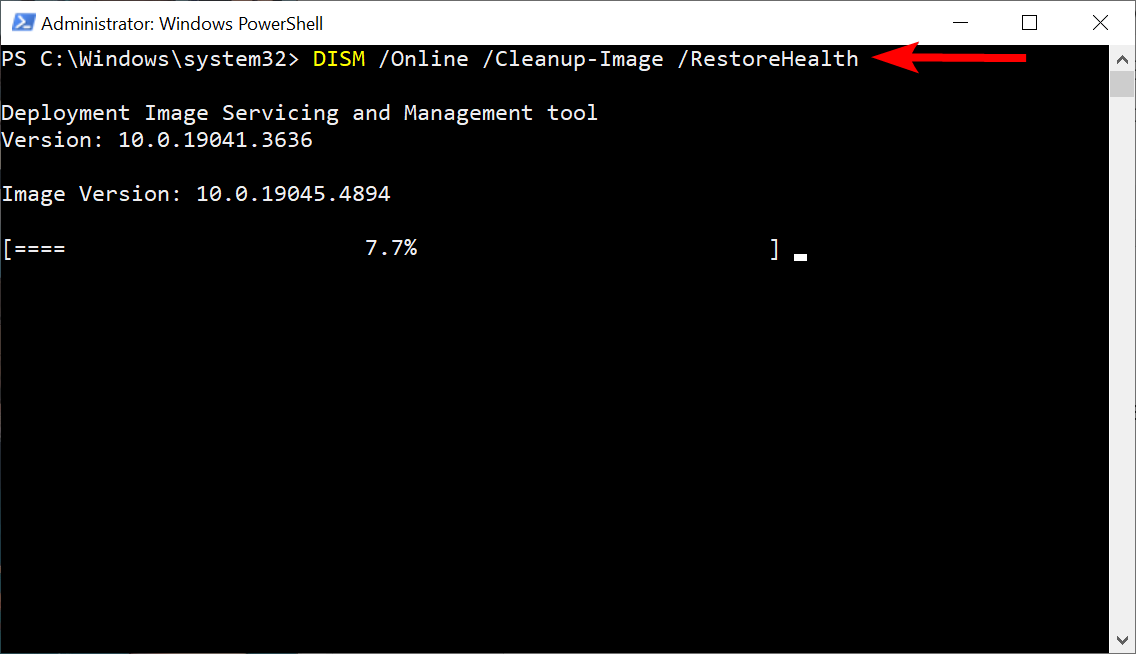
Wait for the process to complete.
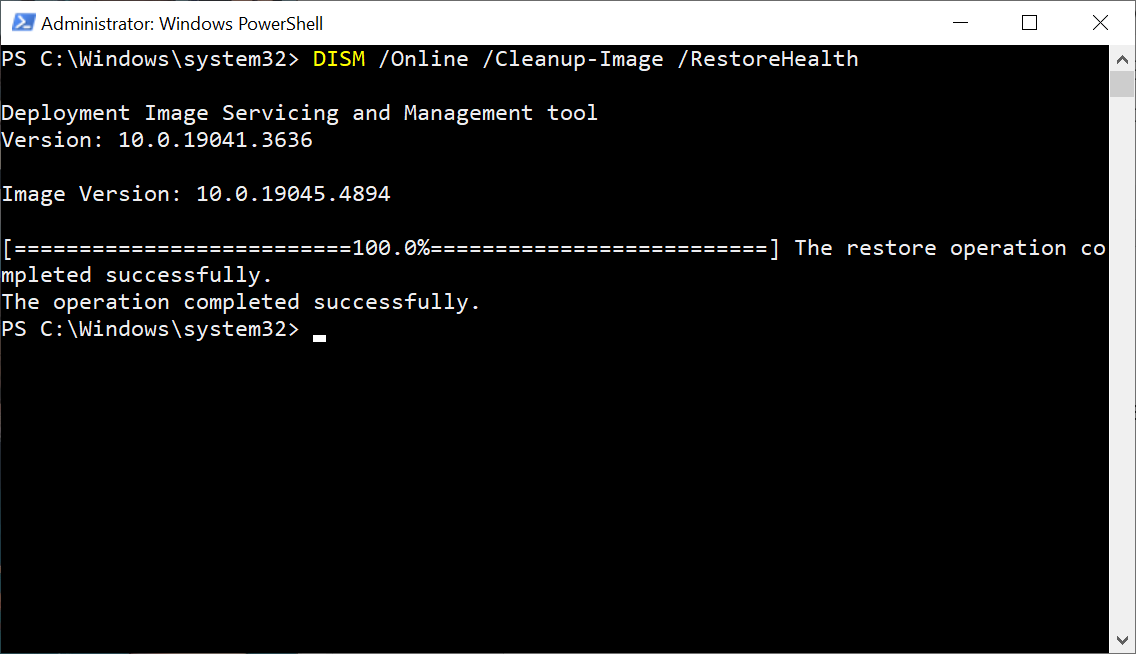
Please note that in some cases, system file corruption can be too severe for these tools to resolve. If that’s the case, you may need to restore from a system backup (if available) or perform a complete re-installation of Windows.
Posted in Code Snippet, Command Prompt, Computers, Internet and Servers, Operating Systems, PowerShell, Software, Tips & Tutorials